Pets Naturalistic Activities

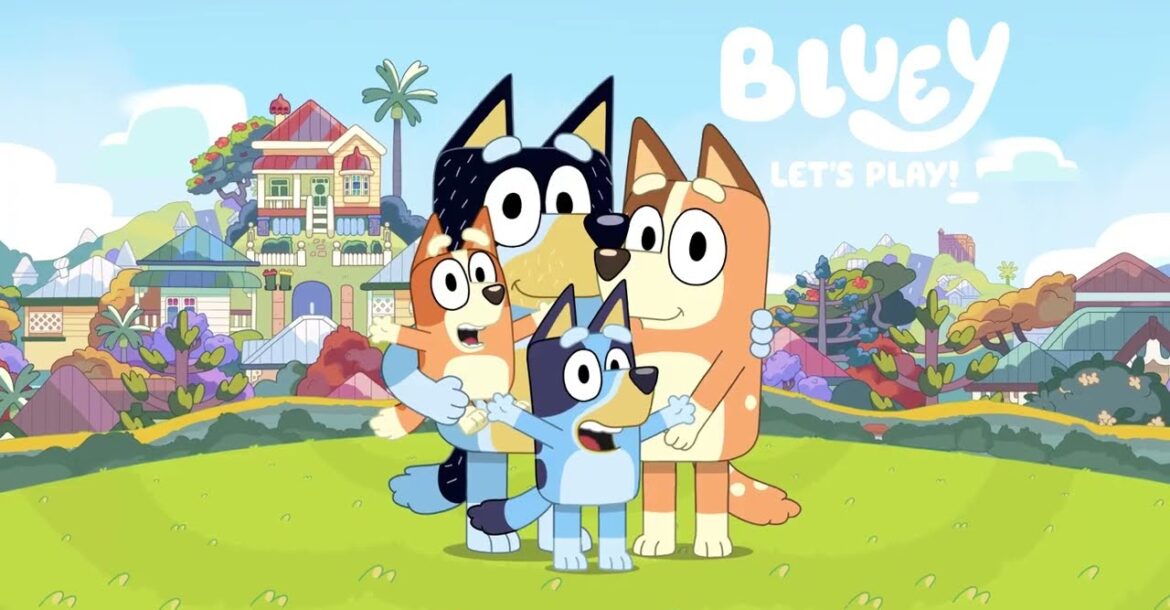
Bluey Let's Play app

Each month I switch out the apps, websites, and videos I use during treatment. Here are the ones I’m using this month… Toys/Board Games/apps Books Videos Also: here are some ideas for using Disney shorts in speech & language treatment. You can find my other themed naturalistic activities here.

March’s Theme: Pets!

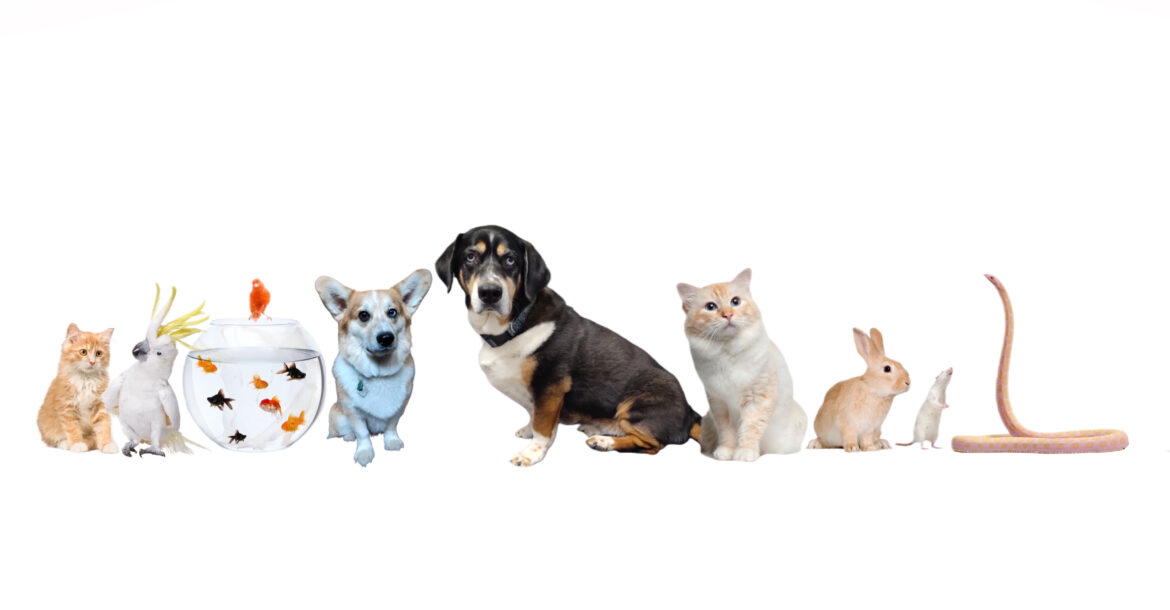
A lineup of different pets including a kitten, a cockatoo, a fish tank full of goldfish with a bird sitting on top, my dogs Radar & Zooey, a cat, a rabbit, a rat, and a snake.

My favorite part of the COVID-19 lockdown was getting to see everyone’s pets. I love pets! Many of my patients do, too, and I had to make “pets” one of my reusable monthly themes. Here are some ways I’m incorporating “pets” into my practice this month… You can find my other themed virtual therapy rooms …

Pet-Themed Sensory Bin

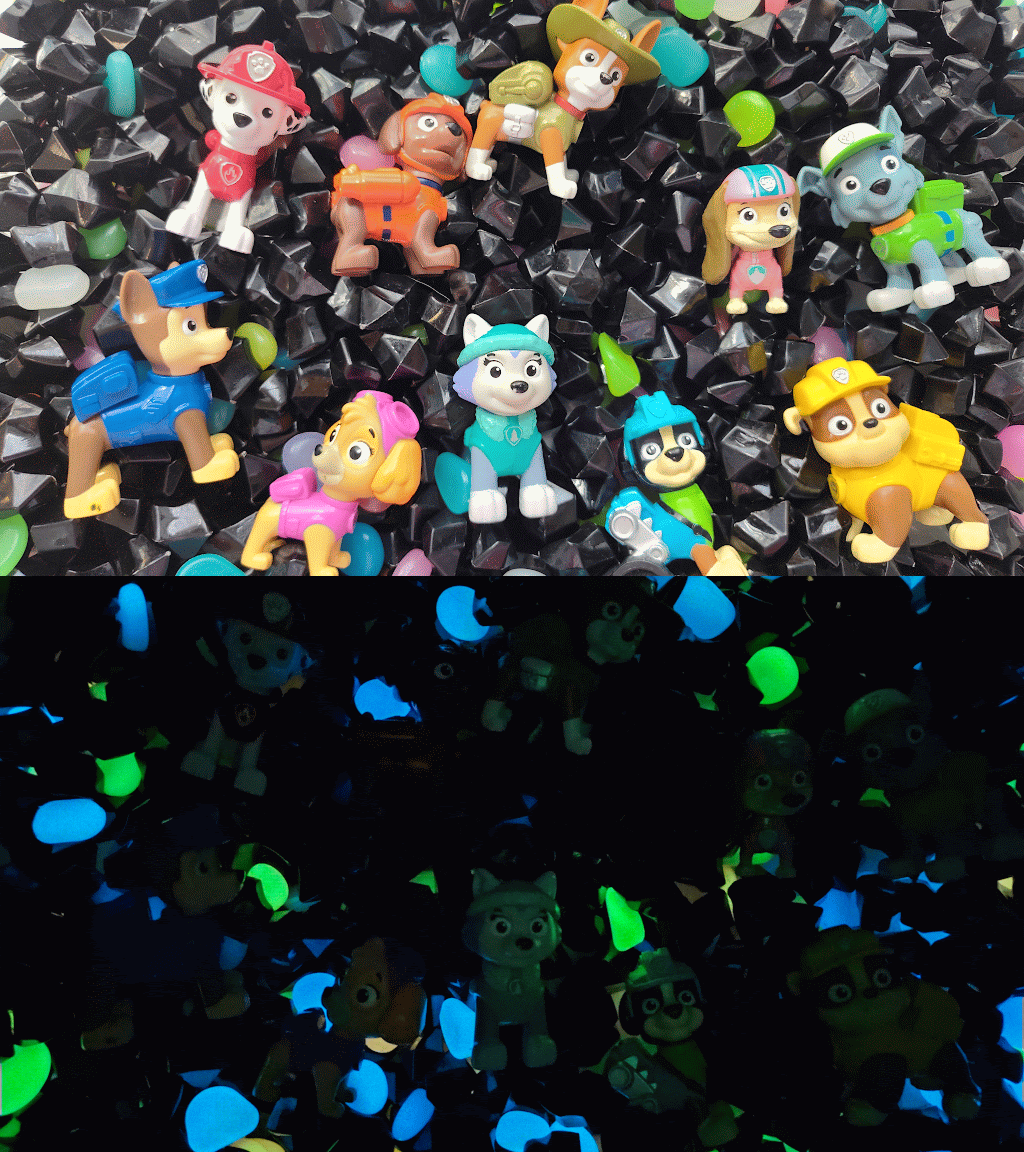
For my pet-themed sensory bin I got black plastic rocks (which are great with construction vehicle toys!) and added some glow-in-the-dark plastic rocks. I then added these Paw Patrol figures and two pet Safari Toobs. This bin has been evoking all sorts of conversations about different pets – so many of the kids I see …

Pet-Themed Prizes

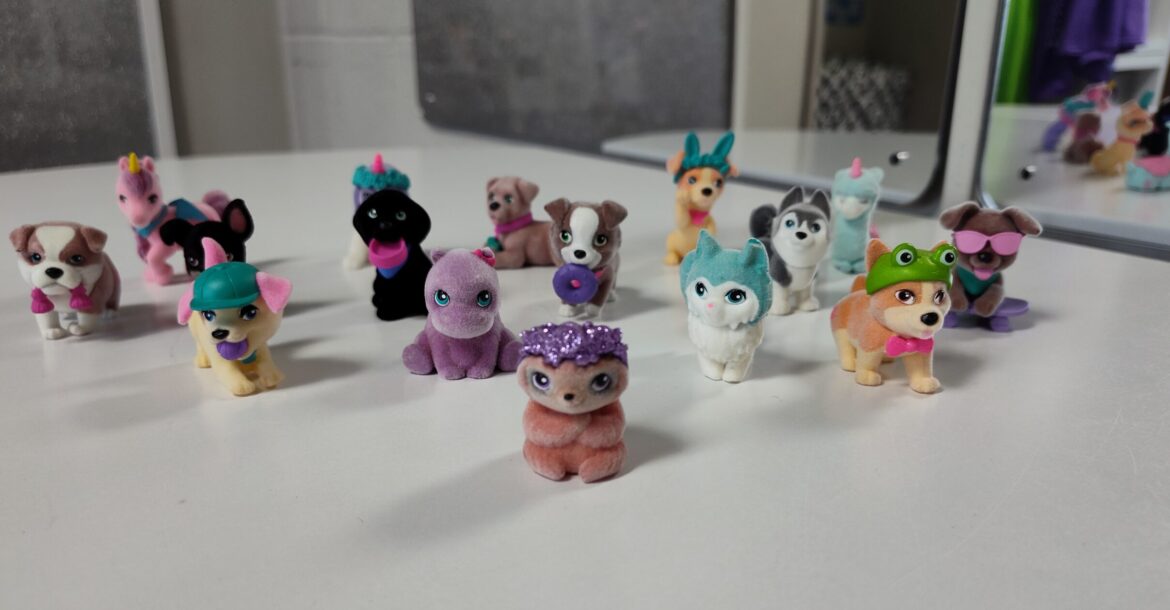
Boy, do kids love blind boxes! I don’t remember them being around when I was a kid, but I’m surprised at how popular they are now. I do remember loving any toy that involved pets and the Barbie Pet Surprise box combines both these themes. These cute, soft, and colorful pets were first made into …

Pet-Themed Virtual Treatment Room

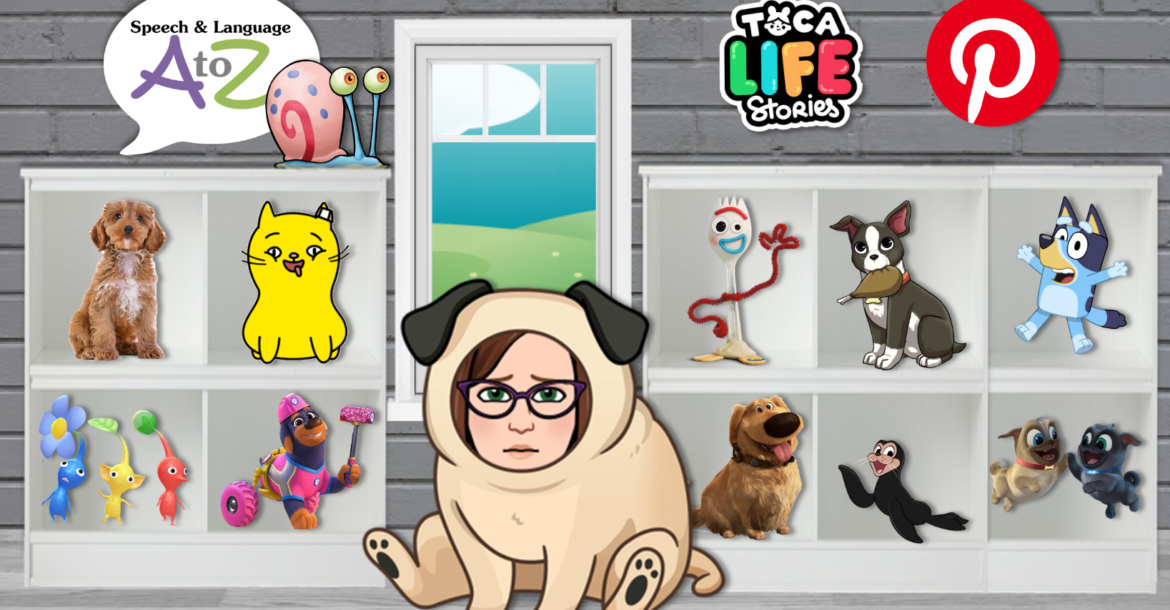
Here’s March’s pet-themed virtual treatment room! Visit it to see the webcams, apps, videos, and websites I’m using this month. Here’s a link to my folder of treatment virtual therapy rooms (so you can download and edit a room to make it your own). You can find my other themed virtual treatment rooms here.

Social Skills with Toca Pet Doctor

Here’s my video tutorial on how I’ve been using Toca Pet Doctor with more details on the least-to-most cueing hierarchy I use when I’m targeting these skills. A special note: When inferencing the cause of emotions I prefer to ask “what made him feel sad?” rather than “why does he feel sad?”  I find if I use …